
Lost Foam Casting: Expendable Patterns and Mold Filling
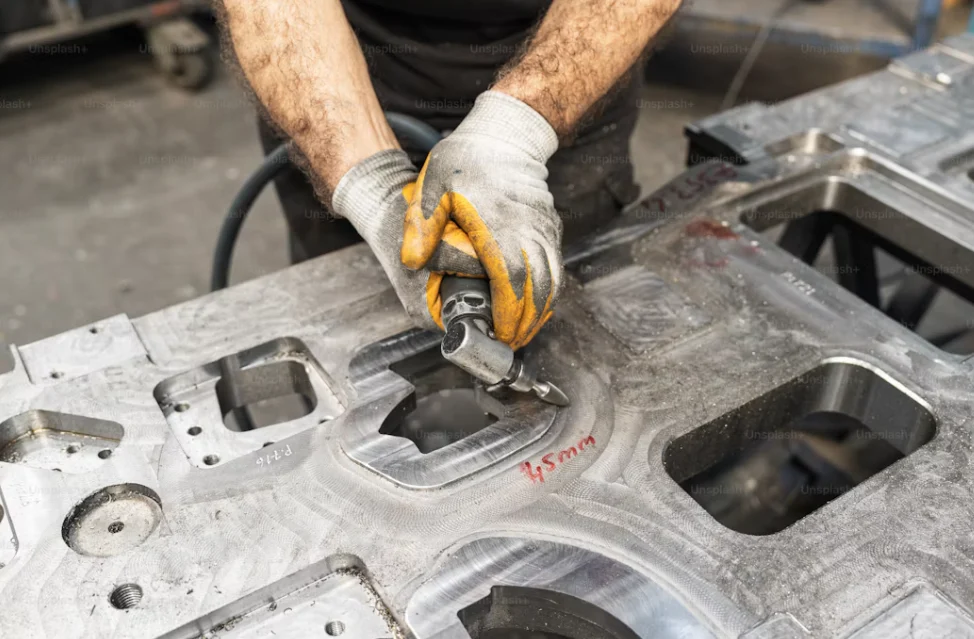
Lost foam casting uses an expendable foam pattern that occupies the intended cavity before metal is poured. As metal enters, the pattern decomposes and is replaced. The process can support complex shapes, but the pattern, coating and mold system strongly influence the way filling occurs and the defects that may develop.
Pattern Quality
The foam pattern establishes geometry and contributes material that must be accommodated during casting. Density, joining and handling can affect consistency. A dimensional defect or damaged feature in the pattern can transfer into the cast component. Pattern production should therefore be treated as a controlled manufacturing operation.
Coating and Mold Support
The coating helps separate and support the pattern environment while allowing relevant decomposition products to move through the system. Its properties and application influence filling. Sand packing and support must preserve the intended pattern geometry without damage. These steps should be developed together.
Filling Behavior
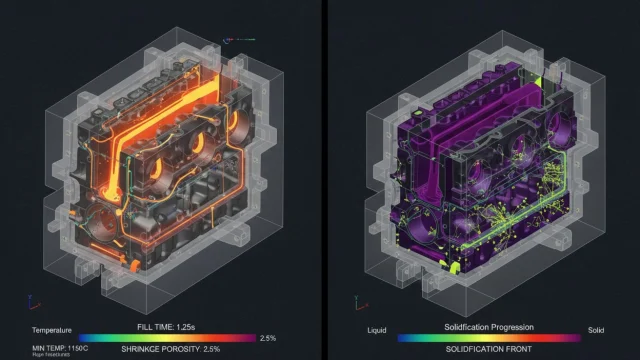
Metal flow interacts with the decomposing pattern rather than entering an empty cavity in the same way as a conventional mold. Alloy and pouring conditions must suit that behavior. Local features and section changes can influence defect formation. Process adjustments should be based on the actual mechanism rather than assumed equivalent to another casting route.
Finishing and Inspection
Removal, cleaning and any secondary processing form part of the production method. Inspection should address dimensions and relevant internal quality. A successful external reproduction of the pattern does not demonstrate that the casting is sound throughout.
For a housing with integrated passages, evaluate whether the pattern can be made, assembled and supported repeatably. Examine critical wall regions and later-machined interfaces during trials. Record pattern and coating information with casting results. Effective lost foam production connects expendable-pattern quality with controlled decomposition and metal filling, supported by inspection of representative finished components.
Additional Engineering Considerations
The pattern assembly can introduce variation before metal is poured. Joint position, adhesive use and handling should be included in process control where relevant. Inspection of patterns can prevent downstream work on geometry that was already unacceptable at the start. If a casting defect changes with pattern or coating batches, preserve that identity during investigation. This supports a technical explanation rather than repeated adjustment of pouring conditions alone. The complete route should make the expendable pattern a known input, even though it will no longer exist after casting.
Practical Verification Priorities
The first verification priority is foam pattern identity, geometry and assembly. Establish the relevant condition before comparing alternatives, and retain enough setup information for another engineer to repeat the check. A result obtained under a different condition may answer a different question, even when the reported values appear comparable.
The next priority is coating application and mold support. Decide what evidence would show that this part of the method is working and what finding would require investigation. Use representative inputs rather than only selected favorable samples. Where a change is introduced, record the technical reason and assess its effect on connected requirements.
Finally, verify filling-related defects and critical walls after the complete finishing route. Define the acceptance basis and preserve the observations that support the decision. If an unexpected result appears, investigate both the physical process and the measurement method before applying a correction. This keeps development decisions traceable and helps the production team restore the accepted condition after normal adjustments or maintenance.
Report an image

 MEMBERS · ONE ENGINEERING COMMUNITY
Discussion
0 CommentsShare your thoughts and engineering insights with the community.
Comments are closed for this article.
No comments yet. Be the first to share your thoughts.