
CNC Machining Centers: Capability, Tool Changes and Process Integration
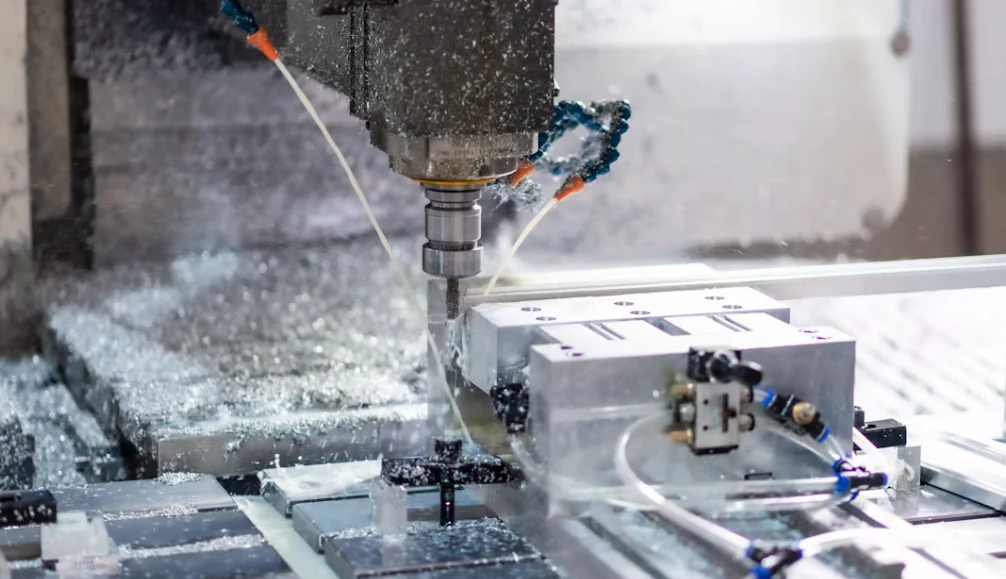
A CNC machining center combines controlled machining movement with an automatic tool-changing arrangement. It can perform several operations within a coordinated setup, reducing the need to move a component between separate machines. The practical benefit depends on the operations, workholding and control of the complete sequence.
Understand the Configuration
Vertical and horizontal arrangements provide different access and chip-handling characteristics. Additional rotary axes can improve orientation flexibility but also introduce new programming and clearance considerations. Machine selection should follow representative components rather than assume that more axes automatically deliver better results.
Tool Management
The tool magazine must support the required tool types, dimensions and change sequence. Tool length, diameter and holder geometry can impose restrictions. Sister tools and wear monitoring may support longer production runs, but their use requires clear identification and offset management. Incorrect tool data can affect multiple features before the problem is noticed.
Combine Operations Carefully
Producing related features in one setup can help preserve their geometric relationship. However, complex setups can become difficult to load, inspect or maintain. Fixtures should provide reliable location and sufficient tool access throughout the cycle. Automated pallet changes do not remove the need to control those interfaces.
Manage Information and Verification
Programs, fixture revisions and tool lists need to agree. Probing can assist setup or process monitoring where properly developed, but a probing result should not be assumed equivalent to every required final inspection. Measurement capability depends on the application and conditions.
For a valve body, drilling, milling and threading can be coordinated within a machining center. Evaluate chip removal from internal features, tool access and the stability of critical bores. Actual production trials should include tool changes and normal interruption recovery. The objective is a repeatable sequence that produces acceptable components efficiently, with manageable maintenance and clear control of the many tools and settings involved.
Additional Engineering Considerations
Automatic operation raises the importance of recoverable state. A tool change or probing sequence interrupted midway can leave the machine and program in a condition that must be understood before restart. The approved recovery method should identify the active tool, coordinates and relevant workpiece state. Test routine interruptions during development rather than waiting for production to discover them. This can reveal whether the setup package contains enough information for a competent operator to resume correctly. Reliability includes returning to controlled operation, not only completing an uninterrupted demonstration cycle.
Practical Verification Priorities
The first verification priority is axis configuration matched to representative features. Establish the relevant condition before comparing alternatives, and retain enough setup information for another engineer to repeat the check. A result obtained under a different condition may answer a different question, even when the reported values appear comparable.
The next priority is magazine and holder compatibility. Decide what evidence would show that this part of the method is working and what finding would require investigation. Use representative inputs rather than only selected favorable samples. Where a change is introduced, record the technical reason and assess its effect on connected requirements.
Finally, verify program, fixture and tool-data consistency through the complete automatic cycle. Define the acceptance basis and preserve the observations that support the decision. If an unexpected result appears, investigate both the physical process and the measurement method before applying a correction. This keeps development decisions traceable and helps the production team restore the accepted condition after normal adjustments or maintenance.
Report an image

 MEMBERS · ONE ENGINEERING COMMUNITY
Discussion
0 CommentsShare your thoughts and engineering insights with the community.
Comments are closed for this article.
No comments yet. Be the first to share your thoughts.