






Magnetic Sensors: Position Detection and Application Limits
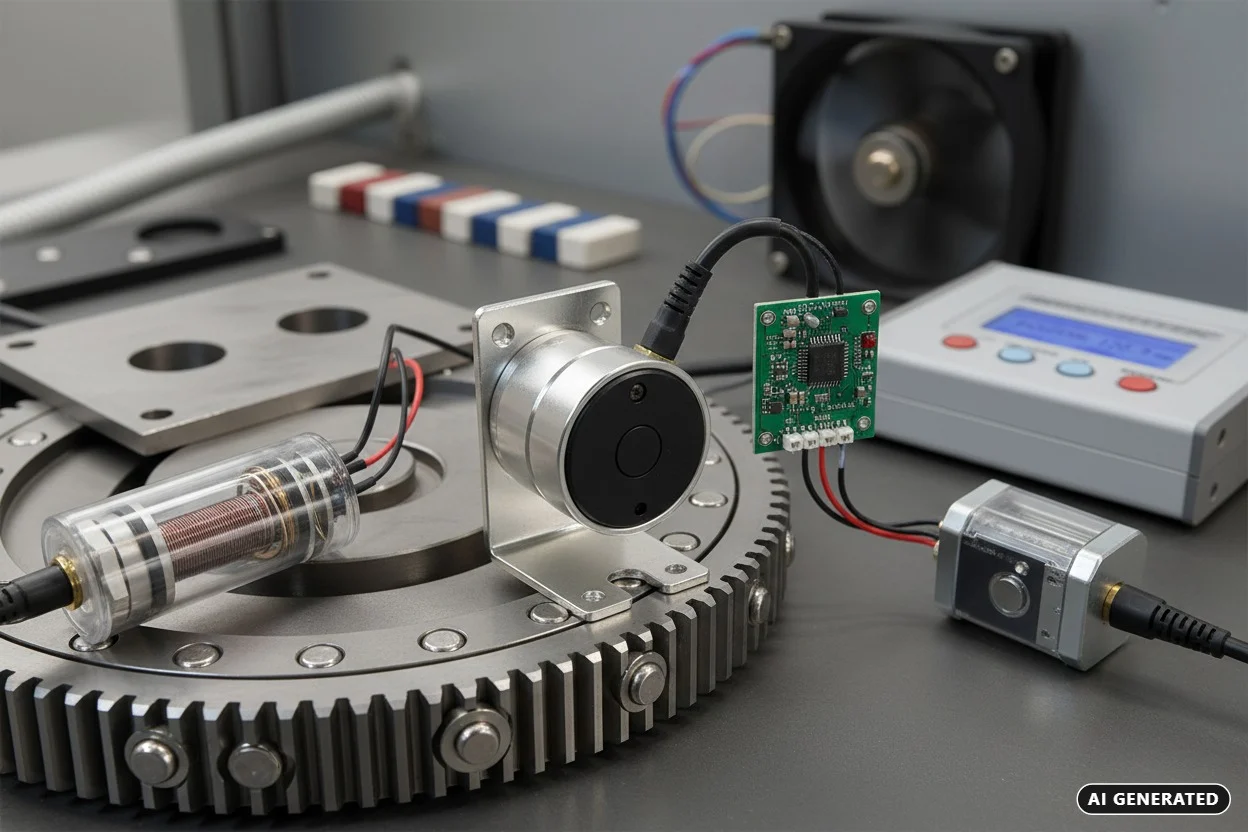
Magnetic sensors detect magnetic conditions using a suitable sensing principle and electronic arrangement. They can support position, proximity or motion information in industrial equipment. Their reliability depends on the magnetic target, installation and surrounding environment, rather than on distance alone.
Sensor and Target Relationship
The magnetic field presented to the device depends on target orientation and geometry. A sensor tested with one magnet may not behave identically with another. The relevant pairing should be defined. Mounting tolerances should preserve sufficient operating margin rather than rely on the edge of a detection zone.
Environmental Influences
Nearby materials and external magnetic fields can affect some arrangements. Welding equipment or other sources may create demanding environments. Evaluate the selected device using the manufacturer’s application information and actual installation. A general description such as industrial sensor does not establish immunity to every disturbance.
Output and Timing
The controller needs a compatible signal and suitable response timing. Motion speed, target spacing and hysteresis influence detection behavior. A steady indication while the machine is stopped does not prove reliable switching during production. Test the complete movement and relevant direction changes.
Meaning and Diagnostics
Define what the signal demonstrates. A magnetic piston-position sensor may indicate a piston region without proving the position of every attached mechanism. Mechanical connections and compliance can change the relationship. Fault and replacement procedures should preserve the intended interpretation.
For a pneumatic actuator, evaluate sensing through the actual stroke and under representative mounting conditions. Record sensor location and configuration so maintenance can restore the arrangement. Check behavior during interrupted motion and loss of signal. Reliable magnetic sensing provides repeatable information about a defined physical condition, with practical tolerance for normal installation and operating variation.
Additional Engineering Considerations
Replacement sensors should be checked against the complete application specification rather than only connector and housing size. Switching characteristics and magnetic response can differ. After replacement, verify the relevant positions through the approved cycle and restore controlled mounting information. If a target or nearby component changes, reconsider whether the original sensing margin remains adequate. These checks help keep a simple-looking position signal traceable to the actual physical condition it was intended to represent, especially in mechanisms where several linked elements can move differently under load.
Practical Verification Priorities
The first verification priority is defined magnetic target and orientation. Establish the relevant condition before comparing alternatives, and retain enough setup information for another engineer to repeat the check. A result obtained under a different condition may answer a different question, even when the reported values appear comparable.
The next priority is external-field and mounting influences. Decide what evidence would show that this part of the method is working and what finding would require investigation. Use representative inputs rather than only selected favorable samples. Where a change is introduced, record the technical reason and assess its effect on connected requirements.
Finally, verify meaningful position interpretation and verified switching during the complete motion cycle. Define the acceptance basis and preserve the observations that support the decision. If an unexpected result appears, investigate both the physical process and the measurement method before applying a correction. This keeps development decisions traceable and helps the production team restore the accepted condition after normal adjustments or maintenance.
Report an image
 MEMBERS · ONE ENGINEERING COMMUNITY
 Engineering videos and tutorials
 Engineering marketplace and professional opportunities
 Courses, tutorials and learning paths
 Engineering files and CAD models
 Professional engineering projects
Discussion
0 CommentsShare your thoughts and engineering insights with the community.
Comments are closed for this article.
No comments yet. Be the first to share your thoughts.