
Nvidia builds bridge to Apple Vision Pro

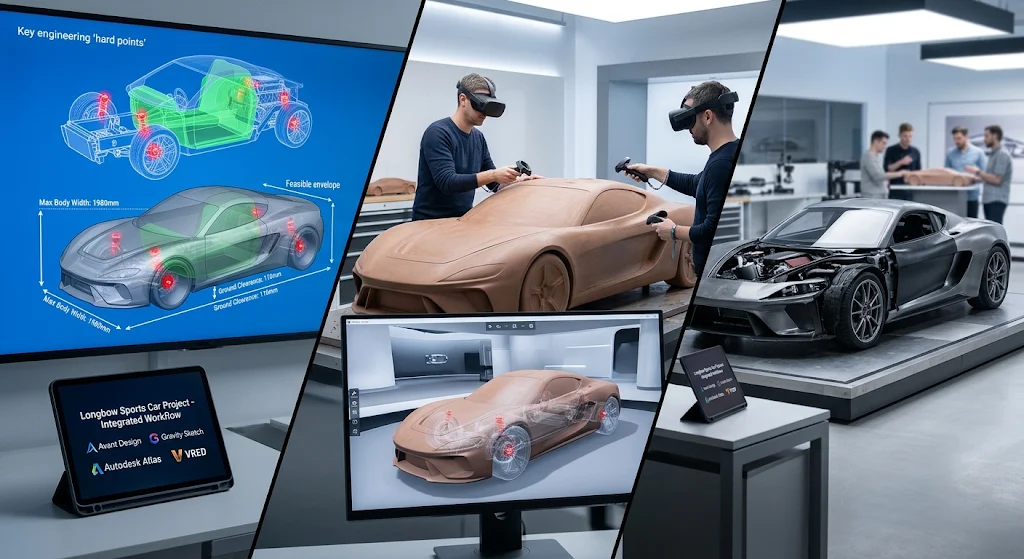
Suggested image alt text — Product geometry, component layout and a physical development prototype.
NVIDIA is connecting CloudXR 6.0 with Apple Vision Pro so that a headset can display content rendered on a separate RTX-equipped system. The announcement describes a wireless route for demanding design reviews and digital environments, using gaze-responsive streaming to concentrate image detail where the viewer looks. For engineering teams, this changes the balance between the computing hardware worn by the reviewer and the hardware generating the scene. The practical question is whether the complete chain provides the visual and interactive quality required for the decision.
Remote rendering separates two resource limits
A large design scene may exceed the convenient processing capacity of a standalone headset while remaining manageable on a workstation or server. Streaming allows those roles to be separated, but it introduces a communication path between user movement and the resulting image. The performance of that path becomes part of the review system. A powerful remote GPU cannot independently guarantee an acceptable headset experience.
A useful trial should therefore examine the actual scene, network arrangement and viewing activity together. Rapid head movement, fine surface inspection and a mostly static presentation can place different demands on the system. The team should evaluate the conditions under which the review will occur rather than relying only on an ideal demonstration with a simplified model.
Foveation needs an application-level assessment
The reported dynamic foveated approach uses eye-tracking information to vary the detail delivered across the view. NVIDIA states that this reduces transmitted pixels and can lower bandwidth demand, with an illustrative downstream figure dependent on workload. That should not be converted into one universal network requirement. Scene content and the complete deployment conditions still influence the result.
For designers assessing colour, surface quality or small details, the relevant test is whether important differences remain visible during normal inspection. A review system should support the engineering question without introducing a misleading visual impression. Teams may choose different acceptance criteria for broad proportion reviews and detailed material evaluations. A convenient presentation method does not automatically provide the same evidence for both.
Shared scale changes collaboration
The announcement cites automotive design use and describes full-scale visualisation through forthcoming integrations. Viewing a model at a meaningful scale can help reviewers discuss relationships that are less obvious on a monitor. However, the digital scene still needs a controlled source. Participants should know which design revision and configuration they are examining so that their decisions can return to the correct CAD definition.
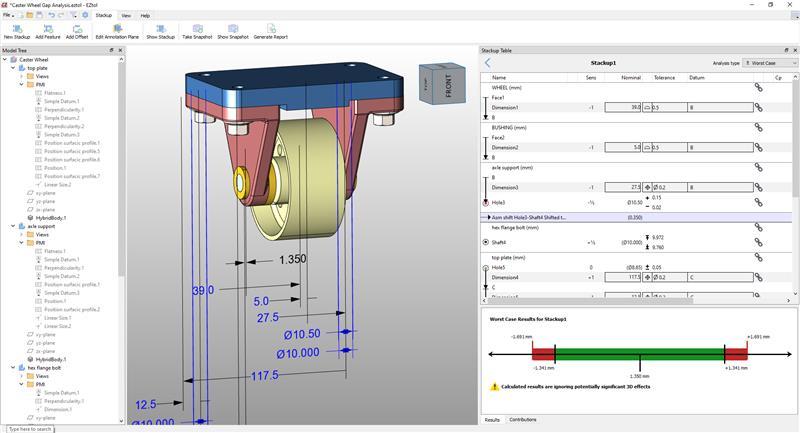
A review record should distinguish comments about visual appearance from conclusions requiring additional engineering checks. A panel gap that looks acceptable in a rendered scene may still need a tolerance analysis. An apparently accessible maintenance area may require a physical or ergonomic assessment. Immersive viewing supports those discussions but does not replace the evidence appropriate to each requirement.
Security claims belong to the implemented system
NVIDIA describes pairing and gaze-data handling measures intended to preserve privacy. An organisation should confirm how those measures apply within its selected application, server location and network. The engineering information being streamed may also require access controls and retention decisions independent of the headset’s eye-tracking treatment. Each data category deserves a clear owner.
CloudXR’s connection to Vision Pro is significant because it broadens the ways demanding 3D scenes can reach reviewers. The strongest deployment begins with a defined review task, representative content and measured interaction quality. That approach makes it possible to judge whether wireless immersive viewing improves a particular design decision, while keeping visual confidence, data control and CAD revision control aligned.
Source — develop3d.com. Source publication date 2026-03-18. Engineering analysis: The CAD Verse.
Rate This Article
Share This Article
Share engineering knowledge with your network.

 MEMBERS · ONE ENGINEERING COMMUNITY
Discussion
0 CommentsShare your thoughts and engineering insights with the community.
Sign in to join the discussion.
Join the discussionNo comments yet. Be the first to share your thoughts.