



Selecting CAM Software: Toolpaths, Postprocessors and Shop-Floor Fit
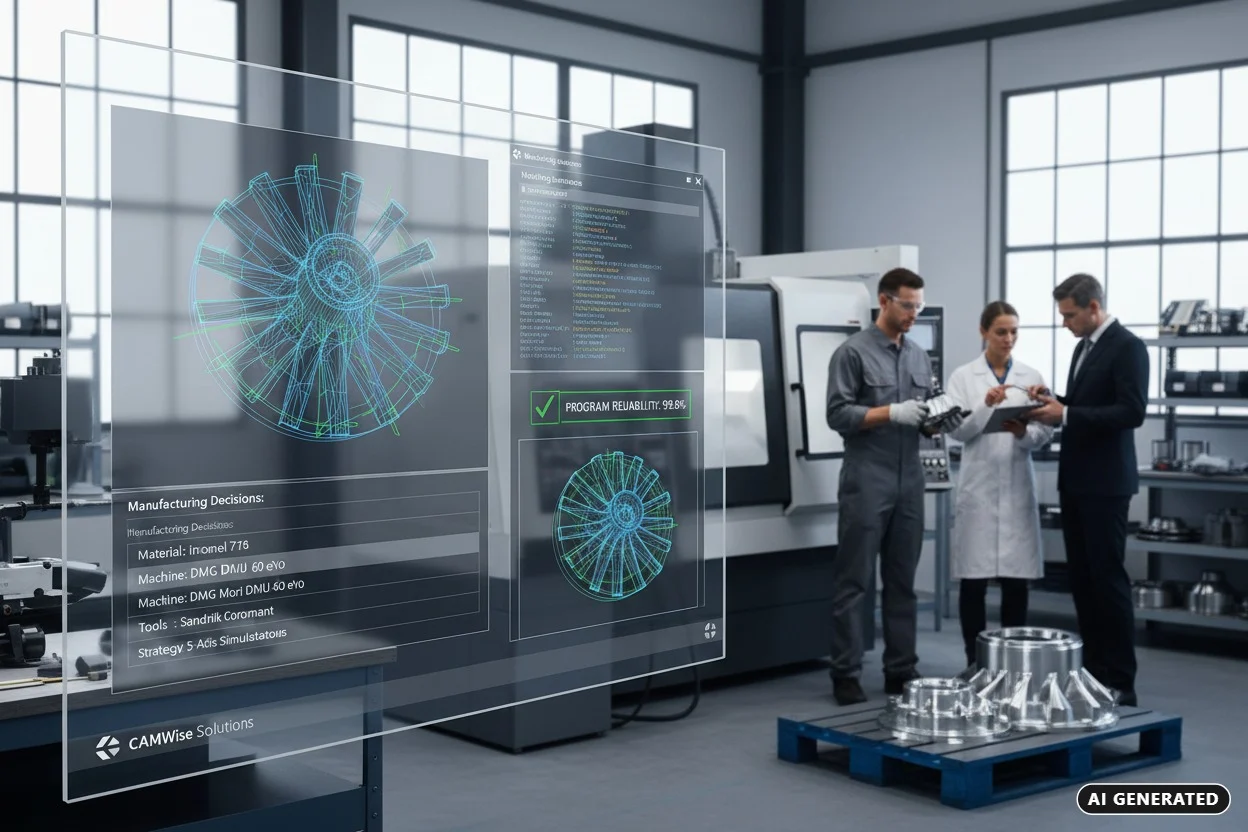
CAM software helps convert component geometry and manufacturing decisions into machining instructions. Its value depends on how well it supports the actual equipment, parts and people in a workshop. A long feature list is less useful than evidence that the system can produce reliable programs for representative work.
Define the Required Workflow
Identify the machines, materials and part families the software must support. Turning, multi-axis milling and other operations create different demands. Consider how design changes arrive and how manufacturing models are prepared. A capable toolpath engine can still sit inside an awkward workflow if data preparation is poorly supported.
Evaluate Postprocessor Support
The postprocessor translates the intended machining strategy into the conventions of a specific machine and control. It should be included in the software evaluation rather than treated as an incidental purchase afterward. Testing should cover representative functions and normal program structures. Unsupported assumptions can remain hidden in simple demonstrations.
Simulation and Tool Libraries
Useful simulation depends on accurate stock, machine and tooling information. Check whether the workflow represents fixtures, holders and relevant machine movements. Tool libraries should be maintainable by the people responsible for production. Incorrect geometry or stale cutting data can undermine sophisticated software features.
Changes and Support
Assess how programs respond to revised geometry and how dependencies are communicated. Training, technical support and controlled upgrades influence long-term usefulness. The cost of maintaining machine configurations and postprocessors belongs in the ownership assessment.
A moldmaking evaluation should include a real cavity with rest machining, holder clearance concerns and finishing requirements. Compare program preparation time, machine-side changes and actual results. Do not judge only the appearance of the generated path. Suitable CAM software connects understandable process decisions with verified output while making revisions and production support manageable for the workshop.
Additional Engineering Considerations
Evaluation trials should include an engineering change after the first program is completed. This reveals whether the workflow can identify affected operations, preserve valid work and produce controlled revised output. Ask the intended users to perform representative tasks rather than watching only a specialist demonstration. Record the support needed and the points where machine-specific knowledge enters. The resulting evidence helps distinguish software that can generate an attractive example from software that a workshop can use repeatedly, revise safely and maintain as machines, tools and personnel change.
Practical Verification Priorities
The first verification priority is representative parts and supported machine configurations. Establish the relevant condition before comparing alternatives, and retain enough setup information for another engineer to repeat the check. A result obtained under a different condition may answer a different question, even when the reported values appear comparable.
The next priority is validated postprocessor output and realistic simulation models. Decide what evidence would show that this part of the method is working and what finding would require investigation. Use representative inputs rather than only selected favorable samples. Where a change is introduced, record the technical reason and assess its effect on connected requirements.
Finally, verify revision handling, library ownership and available production support. Define the acceptance basis and preserve the observations that support the decision. If an unexpected result appears, investigate both the physical process and the measurement method before applying a correction. This keeps development decisions traceable and helps the production team restore the accepted condition after normal adjustments or maintenance.



Discussion
0 CommentsShare your thoughts and engineering insights with the community.
Comments are closed for this article.
No comments yet. Be the first to share your thoughts.