



Shielding Gas Selection for MIG, MAG and TIG Welding
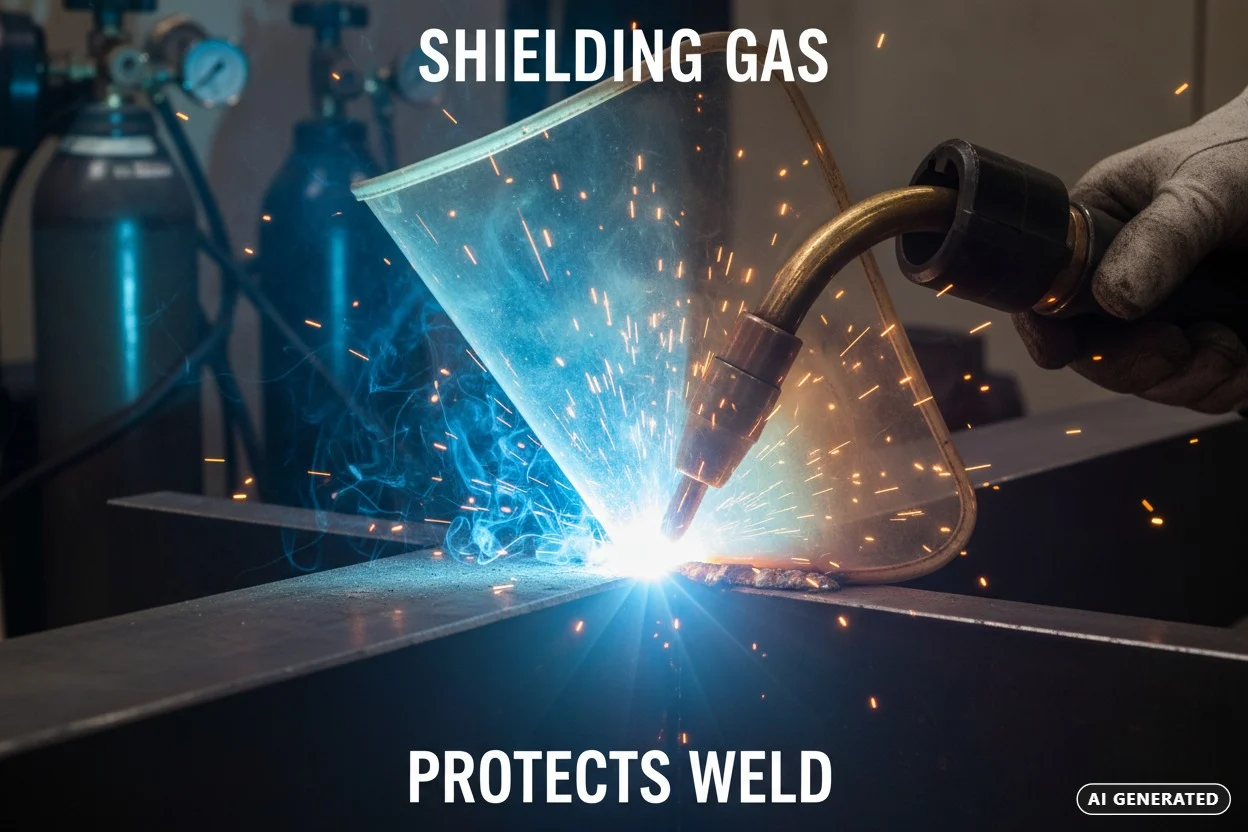
Shielding gas protects the welding region from unwanted interaction with the surrounding atmosphere. In suitable arc welding processes, it also influences arc behavior, metal transfer and the resulting weld profile. Selecting the gas is therefore a process decision that should be made alongside the base material, filler metal, equipment and required weld quality.
A gas that performs well in one application should not automatically be transferred to another. The correct starting point is the approved welding procedure or the consumable and equipment supplier’s guidance for the intended material and process.
Understand the Process Distinction
MIG welding uses an inert shielding gas, while MAG welding uses an active gas or a mixture containing active components. Both belong to the broader gas metal arc welding process family. The distinction matters because the gas participates differently in the welding environment.
TIG welding uses a non-consumable tungsten electrode and normally requires an appropriate inert shielding arrangement. A gas mixture intended for a particular MAG application is not a general substitute for TIG shielding.
The cylinder label and gas specification should be checked rather than relying on an informal description such as mixed gas. Mixtures with similar names can have different compositions and application limits.
Match the Gas to the Material
Argon is widely used for TIG welding and for MIG welding of materials such as aluminum. Carbon steel MAG welding commonly uses suitable active shielding gases or argon-based mixtures. Stainless steel applications require mixtures selected for their specific welding requirements.
These examples are starting points, not complete welding procedures. Material grade, filler metal and the intended transfer mode influence the final choice. A change in gas can require different operating settings and a review of qualification requirements.
Avoid assuming that one mixture is best because it produces a visually smooth bead. Appearance alone does not demonstrate acceptable fusion or mechanical performance.
Consider Arc and Transfer Behavior
Gas composition affects how the arc operates and how molten filler metal transfers into the weld pool. This can influence spatter, wetting and the distribution of heat within the joint.
The selected power source settings must work with the gas and wire combination. Changing the shielding gas while keeping every other setting fixed can produce a result that reflects an unsuitable combination rather than a defect in the gas itself.
Trial welds should be evaluated against the actual acceptance criteria. Where required, this includes appropriate inspection and testing rather than only an operator’s impression of arc stability.
Deliver the Gas Correctly
Correct gas selection is ineffective if shielding is disrupted at the torch. Leaking connections, damaged hoses and contaminated nozzles can reduce protection at the weld. Drafts can also displace the shielding envelope.
The required flow depends on the torch arrangement and welding conditions. Excessive flow is not automatically beneficial: turbulence can draw surrounding air into the shield. Settings should follow the applicable procedure and equipment guidance.
Inspect the delivery system when porosity appears. Increasing flow without checking nozzle condition, connections and environmental disturbance can leave the real cause untouched.
Account for Joint Access and Backing Protection
Torch angle, nozzle access and joint geometry influence how effectively the gas reaches the welding region. A difficult corner may require a different practical arrangement from an open flat joint.
Some applications also require protection on the reverse side of the joint. Where backing gas is specified, its composition and delivery must form part of the procedure. Front-side shielding alone should not be assumed to provide that protection.
Pre-flow and post-flow requirements should be followed where applicable, particularly when protecting the tungsten electrode and hot weld region during TIG welding.
Control Changes and Record Results
Document the gas designation, welding process, consumable and relevant settings used for an accepted procedure. Check supply labels during cylinder replacement and ensure that the regulator and delivery system are suitable.
When investigating a defect, consider joint cleanliness, material preparation and welding parameters alongside shielding. Gas is important, but it is not the only influence on weld quality. Reliable selection combines an appropriate specification with consistent delivery and a validated welding process.
Technical references: Linde: How to Select a Shielding Gas; Miller: Proper Shielding Gas in TIG Welding; SSAB: Shielding gas guidance.


Discussion
0 CommentsShare your thoughts and engineering insights with the community.
Sign in to join the discussion.
Join the discussionNo comments yet. Be the first to share your thoughts.