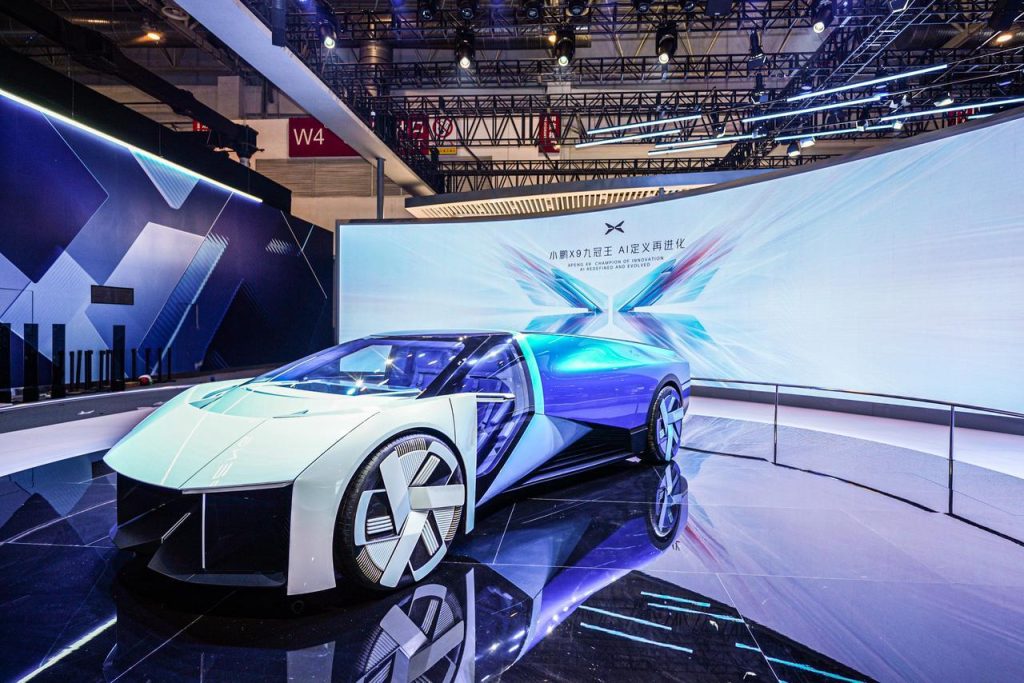
November–December Events Shaping CAD, CAM, CAE, Electric Mobility, and Manufacturing
The final two months of 2026 will bring together some of the automotive industry’s most important international exhibitions. From automotive aftermarket technologies and high-performance vehicle engineering to electric mobility, intelligent connectivity, and advanced manufacturing, these events offer valuable insights into the technologies shaping the next generation of mobility.
For engineers, designers, manufacturers, and technology professionals, trade shows are more than opportunities to discover new products. They provide an opportunity to understand how vehicle architectures are evolving, how manufacturing processes are changing, and how digital engineering is influencing the entire automotive lifecycle.
Between November and December 2026, several major events will take place across the United States, Türkiye, Germany, and China. Each has a different focus, but together they provide a broad picture of the industry’s technological direction.
1. AAPEX 2026 – Automotive Aftermarket and Component Innovation
Date: November 3–5, 2026
Location: Las Vegas, Nevada, USA
Venue: Venetian Expo and Caesars Forum
Official website: AAPEX
AAPEX (Automotive Aftermarket Products Expo) is one of the major international business events for the automotive aftermarket industry.
The exhibition brings together manufacturers, distributors, suppliers, service providers, and professionals involved in automotive replacement parts, maintenance equipment, diagnostics, and repair technologies.
From an engineering perspective, AAPEX is particularly relevant to the development and lifecycle management of automotive components.
Key areas worth following include:
- Advanced automotive components and replacement-part technologies.
- Diagnostic equipment and connected workshop systems.
- Electric vehicle maintenance and repair solutions.
- Component remanufacturing and lifecycle extension.
- Digital tools for inventory, service, and aftermarket operations.
CAD/CAM/CAE perspective
The aftermarket increasingly depends on accurate digital component information. Reverse engineering, 3D scanning, CAD reconstruction, and dimensional inspection can help manufacturers reproduce components that are no longer available or require design modifications.
For manufacturing companies, CNC machining and additive manufacturing also provide opportunities to produce low-volume replacement parts and specialised components.
AAPEX is therefore worth following for developments that connect automotive component design with repair, manufacturing, and remanufacturing.
2. SEMA Show 2026 – Performance Engineering and Vehicle Customisation
Date: November 3–6, 2026
Location: Las Vegas, Nevada, USA
Venue: Las Vegas Convention Center
Official website: SEMA Show
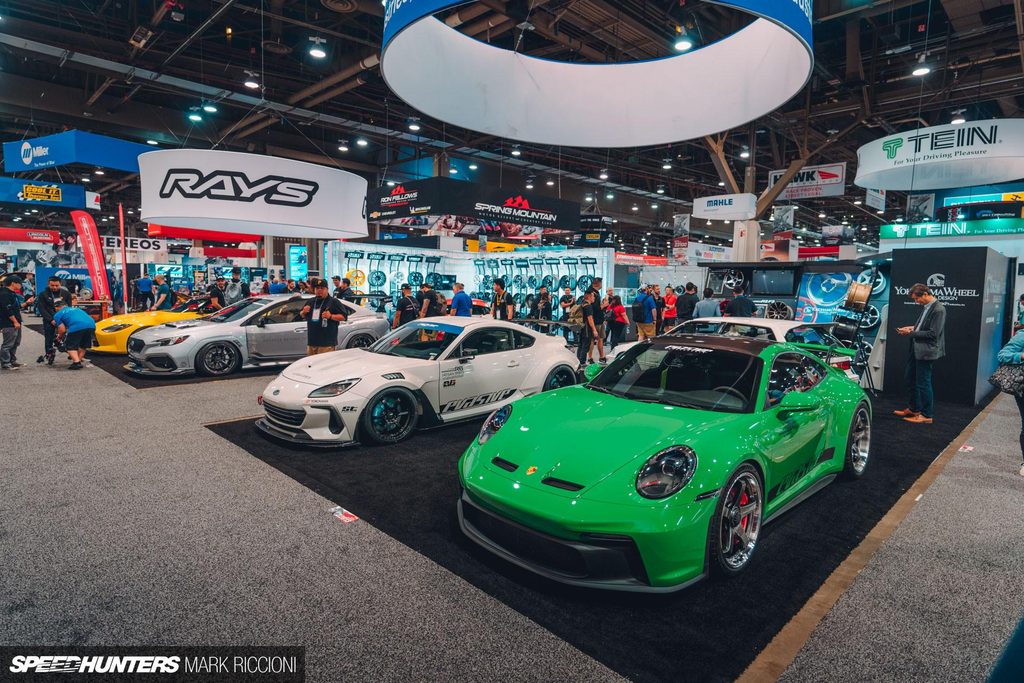
Running alongside the AAPEX period in Las Vegas, the SEMA Show is one of the world’s most recognised exhibitions for automotive aftermarket products, vehicle customisation, motorsport, and performance technologies.
The event brings together vehicle builders, component manufacturers, tuning specialists, racing technology developers, and automotive brands.
SEMA is particularly interesting because many of its applications require extensive engineering work beyond conventional vehicle styling.
Technologies and engineering disciplines worth watching include:
- Performance engine and drivetrain components.
- Suspension systems and chassis modifications.
- Lightweight materials and composite components.
- Aerodynamic body kits and vehicle modifications.
- Motorsport technologies and performance electronics.
- Custom manufacturing and specialist vehicle builds.
CAD/CAM/CAE perspective
Vehicle customisation is closely connected to digital product development.
CAD software allows engineers to design custom brackets, suspension components, body panels, aerodynamic elements, and structural modifications.
CAE tools can support the evaluation of aerodynamic behaviour, structural strength, vibration, and thermal performance. CAM technologies then help translate digital designs into manufactured components.
The combination of CAD, simulation, and advanced manufacturing makes SEMA an interesting event for engineers working in performance automotive development.
3. Los Angeles Auto Show 2026 – The Next Generation of Mobility
Date: November 20–29, 2026
Location: Los Angeles, California, USA
Venue: Los Angeles Convention Center
Official website: Los Angeles Auto Show
The Los Angeles Auto Show is one of the established international automotive exhibitions, providing a platform for vehicle manufacturers to present new models, concept vehicles, and emerging mobility technologies.
The 2026 event will take place from November 20 to 29, bringing together automotive brands, technology companies, and consumers.
Unlike component-focused trade fairs, the Los Angeles Auto Show provides a broader perspective on how vehicle manufacturers are positioning their future products.
Areas worth following include:
Electric Vehicle Platforms
New electric vehicle models provide insight into battery packaging, vehicle architecture, drivetrain integration, and lightweight structural design.
Software-Defined Vehicles
The increasing role of software in vehicle functions is changing how manufacturers develop electronic architectures, infotainment systems, connectivity, and vehicle control technologies.
Interior and Digital Cockpit Development
Digital displays, human-machine interfaces, connected services, and new interior layouts are becoming important parts of vehicle differentiation.
Advanced Driver Assistance Systems
Camera, radar, lidar, and other sensing technologies continue to influence vehicle architecture and the integration of electronic systems.
CAD/CAM/CAE perspective
Concept vehicles and new production models offer valuable insight into the evolution of automotive packaging, lightweight structures, battery integration, and aerodynamic design.
For engineering professionals, the most interesting developments may not always be the vehicles themselves, but the technologies and design approaches behind them.
4. EV Charge Show 2026 – Building the Electric Mobility Infrastructure
Date: November 26–28, 2026
Location: Istanbul, Türkiye
Venue: Istanbul Expo Center
Official website: EV Charge Show
EV Charge Show 2026 will bring together companies and professionals working across the electric mobility ecosystem.
The exhibition is particularly relevant to Türkiye’s expanding electric vehicle and charging infrastructure market.
An important development for the 2026 edition is its broader scope. In addition to charging technologies, the event will bring electric vehicles, energy storage systems, and charging infrastructure solutions together within a more integrated exhibition platform.
The main technology areas include:
- AC and DC charging equipment.
- High-power and fast-charging systems.
- Megawatt charging technologies.
- Battery energy storage systems.
- Battery management systems.
- Smart charging and energy management software.
- Vehicle-to-Grid (V2G) and Vehicle-to-Building (V2B) integration.
- Charging connectors, cables, sensors, and power electronics.
Engineering perspective
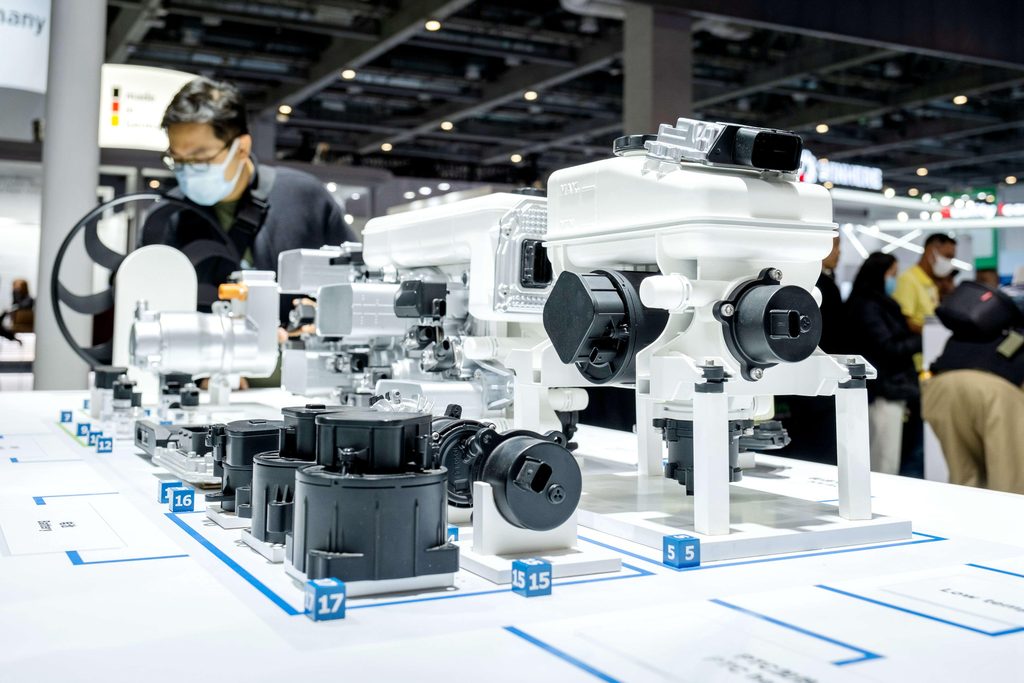
Charging infrastructure is not simply a matter of installing charging stations. It requires the integration of electrical engineering, power electronics, thermal management, communication protocols, energy storage, and grid management.
For engineers, several design challenges are particularly important:
- Thermal management of high-power charging equipment.
- Electrical protection and system reliability.
- Power conversion efficiency.
- Battery charging characteristics.
- Mechanical and thermal design of connectors and cables.
- Integration of charging systems with renewable energy and storage.
CAD and CAE technologies can support the design of charging equipment enclosures, cooling systems, connectors, and structural components.
CFD simulation can help evaluate airflow and cooling performance, while thermal and structural analysis can support the development of reliable charging hardware.
EV Charge Show is therefore one of the most relevant events in this calendar for professionals following electric mobility and energy-related engineering.
5. Auto Guangzhou 2026 – China’s Automotive Technology and Electric Vehicle Ecosystem
Date: November 27–December 6, 2026
Location: Guangzhou, China
Venue: China Import and Export Fair Complex
Official website: Auto Guangzhou
The 24th Auto Guangzhou will bring together international and Chinese automotive manufacturers, technology developers, and suppliers.
The exhibition will take place under the theme of new technology and new lifestyles, reflecting the growing importance of intelligent vehicles and electrification in the Chinese automotive market.
An important distinction is that the vehicle exhibition and the automotive supply-chain technology area have different schedules:
- Automotive supply-chain area: November 27–30.
- Complete vehicle exhibition: November 27–December 6.
This makes the event particularly interesting for professionals following both vehicle development and component manufacturing.
Key areas worth monitoring include:
Electric Vehicle Architecture
Chinese manufacturers continue to develop new electric vehicle platforms, battery integration concepts, and drivetrain configurations.
Intelligent Cockpit Technologies
Digital interfaces, connected services, advanced displays, and integrated vehicle computing are becoming increasingly important in the development of modern vehicles.
Battery Integration and Thermal Management
Battery packaging, structural integration, cooling systems, and energy efficiency remain important engineering challenges.
Intelligent Driving Systems
Sensor integration, vehicle computing, advanced driver assistance systems, and software development are central to the evolution of intelligent vehicles.
Automotive Supply Chain
The supply-chain exhibition provides an opportunity to follow developments in automotive components, materials, electronics, manufacturing technologies, and industrial collaboration.
CAD/CAM/CAE perspective
Auto Guangzhou is particularly interesting for understanding how new vehicle platforms are being designed.
Battery packaging, lightweight structures, integrated electronic systems, thermal management, and intelligent chassis technologies all require close cooperation between mechanical design, electronics, materials engineering, and simulation.
For CAD and CAE professionals, the event offers an opportunity to monitor the design approaches and engineering priorities influencing the next generation of electric vehicles.
6. Essen Motor Show 2026 – Motorsport, Tuning, and Performance Design
Date: November 27–December 6, 2026
Location: Essen, Germany
Venue: Messe Essen
Official website: Essen Motor Show
The Essen Motor Show is one of Europe’s best-known exhibitions for performance vehicles, tuning, motorsport, sports cars, and automotive customisation.
The event brings together manufacturers, specialist workshops, motorsport organisations, aftermarket suppliers, and vehicle enthusiasts.
Its engineering relevance extends beyond appearance and vehicle styling.
Important areas include:
- Aerodynamic body components.
- Performance suspension and braking systems.
- Lightweight wheels and structural components.
- Motorsport technologies.
- Vehicle chassis modifications.
- Custom interior and exterior components.
- Performance-related powertrain upgrades.
CAD/CAM/CAE perspective
Performance vehicle development requires a careful balance between weight, stiffness, strength, aerodynamic efficiency, and mechanical reliability.
CAD tools are used to develop custom body components, aerodynamic packages, suspension elements, and specialised brackets.
CAE simulation can help evaluate aerodynamic performance, structural behaviour, and thermal loads. Manufacturing technologies such as CNC machining, composite processing, and additive manufacturing can then be used to produce specialised components.
For engineers interested in motorsport and vehicle performance, Essen offers a valuable look at how design creativity and technical engineering come together.
7. Automechanika Shanghai 2026 – Automotive Manufacturing and Global Supply Chains
Date: December 2–5, 2026
Location: Shanghai, China
Venue: National Exhibition and Convention Center
Official website: Automechanika Shanghai
Automechanika Shanghai is one of the major international exhibitions connecting the automotive aftermarket, component manufacturing, service equipment, and automotive technology industries.
The 2026 edition will cover approximately 390,000 square metres across 16 halls and mezzanine areas, with around 7,600 exhibitors anticipated by the organisers.
Its programme will include approximately 100 conferences, workshops, and forums covering a wide range of automotive technologies and business developments.
Several themes make this event particularly relevant to engineering professionals.
Smart Manufacturing
Automation, production digitalisation, manufacturing efficiency, and intelligent factory technologies are increasingly important in automotive component production.
Energy and Powertrain Technologies
Electrification is changing the design and manufacturing requirements of motors, transmissions, power electronics, and thermal management systems.
Intelligent Connectivity
Connected vehicle technologies, automotive semiconductors, and electronic architectures are becoming increasingly important across the supply chain.
New Materials
Lightweight materials, advanced alloys, composites, and new manufacturing processes are influencing the design of automotive components.
Green Repair and Remanufacturing
The exhibition’s Green Repair Area will focus on new-energy vehicle maintenance and advanced technical training, highlighting the growing importance of sustainable aftermarket services.
CAD/CAM/CAE perspective
Automechanika Shanghai is particularly valuable for understanding the relationship between product development and industrial manufacturing.
The combination of CAD-based design, manufacturing process planning, simulation, quality control, and digital production management is becoming increasingly important for automotive suppliers.
For companies developing automotive components, the ability to connect digital product data with manufacturing and inspection processes can improve production consistency and support global supply-chain requirements.
8. Which Events Should CAD/CAM/CAE Professionals Follow Most Closely?
Although all seven events have different priorities, some are particularly relevant to specific engineering disciplines.
| Event | Main engineering focus | Relevant technologies |
|---|---|---|
| AAPEX | Component lifecycle and aftermarket | CAD, reverse engineering, CNC |
| SEMA Show | Performance and custom vehicle development | CAD, FEA, CFD, CAM |
| Los Angeles Auto Show | Future vehicle architecture | CAD, CAE, digital cockpit |
| EV Charge Show | Charging and energy systems | Power electronics, CFD, thermal simulation |
| Auto Guangzhou | Electric and intelligent vehicles | CAD, CAE, battery engineering |
| Essen Motor Show | Motorsport and performance design | CAD, FEA, CFD, CAM |
| Automechanika Shanghai | Automotive manufacturing and supply chain | CAD, CAM, CAE, automation |
For a closer look at the engineering implications, three events deserve particular attention.
Automechanika Shanghai offers a broad view of automotive manufacturing, component technologies, smart production, and the global supply chain.
Auto Guangzhou is particularly relevant for understanding the evolution of electric vehicle platforms, battery integration, and intelligent vehicle architectures.
EV Charge Show provides a more specialised perspective on the infrastructure required to support electric mobility, including charging hardware, power electronics, and energy storage.
Meanwhile, SEMA and Essen are valuable for following performance engineering, specialised component design, and advanced manufacturing applications.
9. The CAD Verse Editorial Perspective
The final automotive exhibitions of 2026 reflect an industry that is becoming increasingly connected, electrified, and digitally integrated.
The transformation is not limited to the development of new vehicles. It extends across the entire product lifecycle, from concept design and engineering validation to manufacturing, maintenance, repair, and remanufacturing.
For the CAD/CAM/CAE community, this creates several important areas of opportunity.
CAD will continue to play a central role in the development of new vehicle architectures, lightweight components, battery systems, and specialised replacement parts.
CAM will remain essential for translating digital designs into physical components through CNC machining, additive manufacturing, and advanced production technologies.
CAE will become increasingly important for evaluating structural performance, thermal behaviour, aerodynamic efficiency, vibration, and system reliability.
At the same time, artificial intelligence, digital twins, connected vehicle data, and smart manufacturing systems are bringing these disciplines closer together.
The most important lesson from the 2026 exhibition calendar is that automotive engineering can no longer be viewed as a collection of separate mechanical disciplines.
It is evolving into an integrated digital ecosystem in which product design, simulation, manufacturing, software, and sustainability influence one another.
The future of automotive engineering will be shaped not only by what manufacturers build, but also by how intelligently they design, produce, connect, maintain, and improve every component throughout its lifecycle.
Official Event References