How Nemetschek Is Integrating AI into BIM, Structural Analysis, Design Automation, and Engineering Collaboration
Introduction
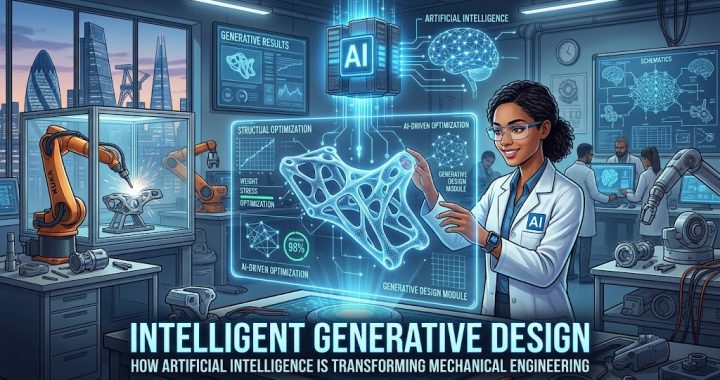
Artificial intelligence is increasingly becoming part of professional engineering software. Instead of operating as a separate chatbot or general-purpose assistant, the latest generation of AI tools is being integrated directly into design, modelling, analysis, and documentation workflows.
The objective is not simply to generate text or images. It is to help engineers access project information, automate repetitive tasks, and interact with complex engineering models more efficiently.
On October 28, 2026, Nemetschek Group announced Allplan Max 2027, an AI initiative designed to extend intelligent capabilities across its engineering software portfolio.
The announcement represents a broader move toward AI-supported engineering workflows, connecting BIM, structural analysis, detailing, and fabrication.
1. What Is Allplan Max 2027?
Allplan Max is Nemetschek’s AI initiative for its engineering software ecosystem.
Rather than being limited to one standalone application, it introduces a collection of AI-powered capabilities across products including Allplan, SCIA, FRILO, and SDS2.
The overall approach focuses on several common challenges in engineering offices:
- Searching for information across complex projects.
- Reviewing large BIM models.
- Preparing engineering reports.
- Creating formulas and custom workflows.
- Cleaning drawings and annotations.
- Repeating routine modelling and documentation tasks.
By integrating AI into existing software environments, the aim is to reduce repetitive work while allowing engineers to retain control over design decisions and final approvals.
2. AI Across the Engineering Workflow
One of the main characteristics of Allplan Max is its portfolio-wide approach.
Different AI tools are designed for specific stages of the engineering process rather than attempting to solve every problem through a single assistant.
AI BIM Analyst
BIM models contain large amounts of information, including object properties, dimensions, classifications, quantities, and relationships between building components.
Finding specific information can require extensive navigation through model structures and property panels.
AI BIM Analyst allows users to interact with model information through natural-language questions.
Depending on the supported application and workflow, users can:
- Search for specific objects.
- Check model attributes.
- Retrieve project information.
- Calculate quantities.
- Generate tables and reports.
This can make model data more accessible to engineers and project teams who do not want to manually navigate every model property.
AI Structural Analyst
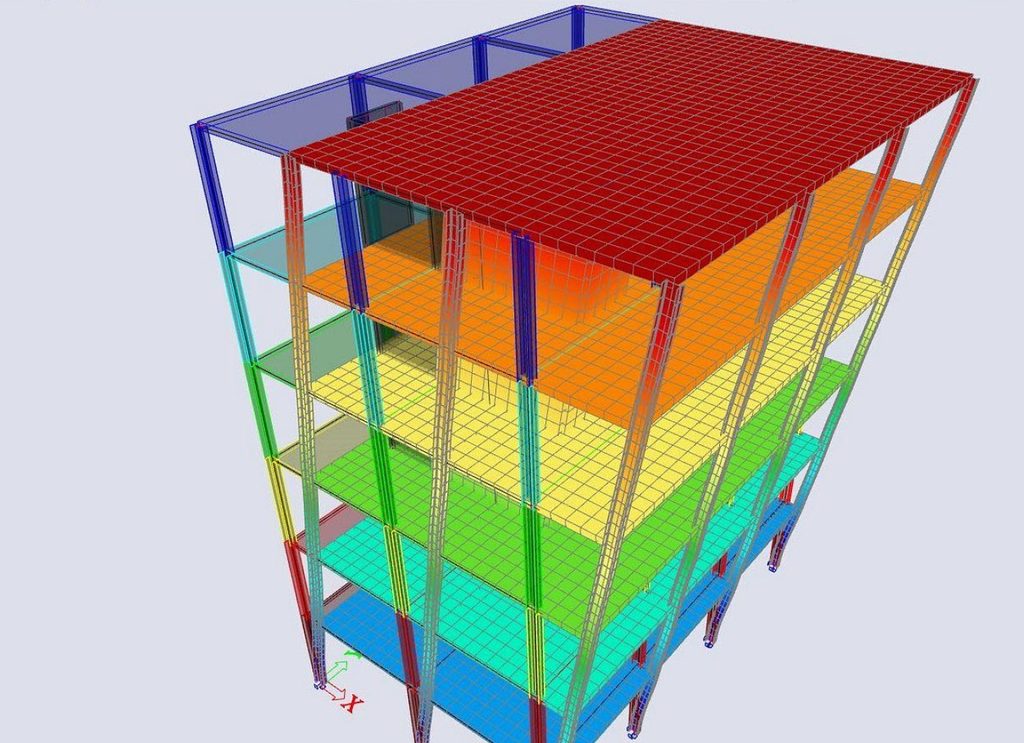
Structural analysis software produces large quantities of engineering results.
These can include internal forces, support reactions, deformations, and other numerical results that must be reviewed carefully.
The AI Structural Analyst capability in the SCIA and FRILO environment is designed to help engineers interpret these results.
According to Allplan’s product information, the tool can identify important values such as peaks, sign changes, and critical sections in analysis results.
This can help engineers focus their attention on areas that require further investigation.
However, AI-supported interpretation does not replace structural engineering judgment, code compliance checks, or formal design approval.
3. Workflow Builder: Automating Repetitive Engineering Tasks
Every engineering company develops its own working methods.
Some teams use specific modelling procedures, reporting formats, calculation sequences, or internal quality-control steps.
Traditional software customization can require scripting knowledge or specialist development resources.
Allplan Max introduces Workflow Builder to help teams create customized workflows and connect engineering processes.
The concept is particularly relevant to offices that want to automate repetitive operations without redesigning their entire software environment.
Potential applications include:
- Automating recurring project procedures.
- Connecting information across workflows.
- Creating customized engineering tools.
- Retrieving project data.
- Coordinating repetitive operations.
Nemetschek also describes its Feature Builder as a way to create customized product features through AI-supported interaction.
These capabilities are intended to make engineering software more adaptable to the working methods of individual companies.
4. AI Formula Writer and AI Drafter
Two other features target everyday engineering and documentation tasks.
AI Formula Writer
Engineering models often depend on formulas that connect object properties, parameters, and design conditions.
AI Formula Writer helps users create and modify Allplan formulas by describing the required relationship in natural language.
This can reduce the effort involved in writing complex expressions and correcting syntax errors.
AI Drafter
Technical drawings frequently require manual cleanup, particularly when annotations, labels, and dimensions overlap.
AI Drafter is designed to help reposition overlapping annotations and labels in supported drawing workflows.
The goal is to reduce repetitive drafting work while leaving the final drawing under the user’s control.
5. AI Coach and AI Visualizer
Allplan Max also includes tools aimed at software assistance and visual communication.
AI Coach
AI Coach provides contextual guidance based on product knowledge and documentation.
It is intended to help users understand software functions, find workflow recommendations, and reduce the time spent searching for technical information.
This may be especially useful for new users and engineers who only occasionally work with certain software functions.
AI Visualizer
AI Visualizer can transform sketches, photographs, or simple 3D models into visual presentations.
This capability is relevant to early design communication, concept presentation, and client discussions.
It should be viewed as a visualization aid rather than a replacement for accurate engineering geometry or construction documentation.
6. One AI Strategy Across Multiple Engineering Products
Allplan Max is not restricted to the architectural modelling environment.
Nemetschek’s strategy extends AI capabilities across several products in its engineering portfolio.
| Software | AI-related focus |
|---|---|
| Allplan | BIM data, workflow automation, formulas, drafting |
| SCIA Engineer | Structural analysis support and engineering guidance |
| FRILO | Structural engineering and analysis assistance |
| SDS2 | BIM information, fabrication, and drawing workflows |
This broader approach is important because engineering projects rarely remain within a single software application.
Design, structural analysis, detailing, and fabrication are connected stages of a larger process.
Integrating AI across these stages could help reduce information gaps and repetitive data handling.
7. What Does This Mean for Engineers?
The introduction of Allplan Max 2027 reflects a shift in the way engineering software is evolving.
In the past, software development largely focused on adding new modelling functions, calculation methods, and drawing tools.
Today, another important development is making these capabilities easier to access through intelligent interaction and automation.
For engineering teams, potential benefits include:
- Faster access to project information.
- Less time spent on repetitive documentation.
- Easier interpretation of selected analysis results.
- More flexible workflow customization.
- Improved communication between project stages.
The actual benefits will depend on project complexity, software configuration, user experience, and how effectively companies integrate these tools into their existing procedures.
8. Limitations and Engineering Responsibility
AI-generated information must still be reviewed.
A model query can return incomplete information if the BIM model is poorly structured. A generated formula can require technical verification. An AI-generated structural report cannot independently establish that a design complies with all applicable standards.
Similarly, visual outputs should not be confused with construction-ready engineering documentation.
Engineers remain responsible for checking model accuracy, validating calculations, reviewing drawings, and approving design decisions.
This distinction is particularly important in structural engineering, where incorrect interpretation can have significant consequences.
Conclusion
Allplan Max 2027 demonstrates how AI is moving deeper into professional engineering software.
By introducing AI-supported model analysis, structural result interpretation, workflow customization, formula generation, drafting assistance, and contextual guidance, Nemetschek is addressing practical challenges across the engineering lifecycle.
The most important aspect is not any single AI feature. It is the attempt to connect intelligent assistance with the tools engineers already use.
As engineering software continues to evolve, AI may increasingly become an integrated part of modelling, analysis, detailing, and fabrication.
The next generation of engineering software will not only help engineers create models and calculate results. It will also help them interact with, understand, and manage their engineering workflows more intelligently.
References