A 100 lbf Prototype Demonstrates the Potential of Additively Enabled Aerospace Manufacturing
Additive manufacturing is changing how aerospace components are designed, developed and produced. Beyond lightweight brackets and structural components, industrial metal 3D printing is increasingly being applied to complex propulsion systems.
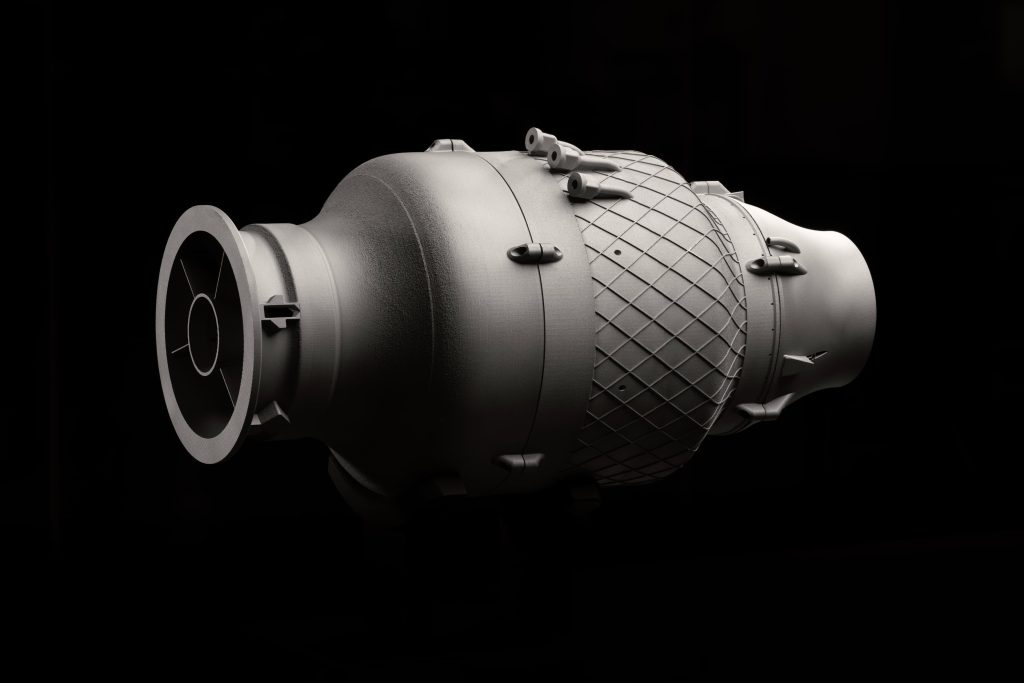
Beehive Industries has announced the successful completion of initial engine testing for its Frenzy 6 prototype, a compact turbojet engine designed for applications involving uncrewed aircraft and other defence-related platforms.
The 100 lbf engine completed its initial test objectives after the company finalised its requirements with the U.S. Air Force just four months earlier.
A New Step in Additively Manufactured Propulsion
The Frenzy 6 programme builds on Beehive’s experience developing the larger 200 lbf Frenzy 8 engine.
According to the company, the smaller prototype completed its first test firing on 23 September 2026 at its Colorado facility.
The initial test programme evaluated starting reliability, engine performance and operability.
The rapid progression from requirements to prototype testing highlights the potential of an engineering approach that combines additive manufacturing with digital design and rapid development processes.
Why Additive Manufacturing Matters for Jet Engines
Conventional manufacturing of jet engine components can involve multiple machining, joining and assembly operations.
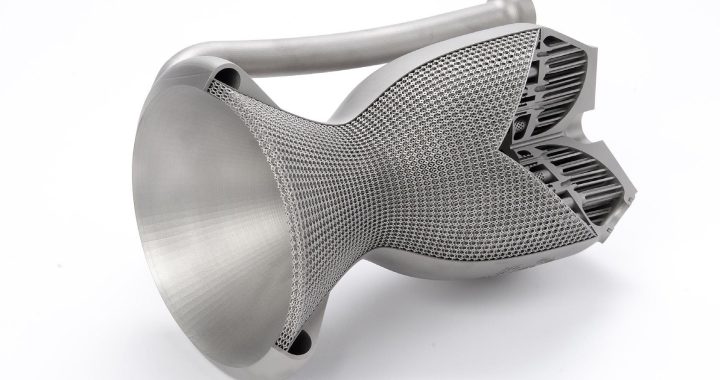
Metal additive manufacturing can provide greater design freedom for selected components, particularly where internal passages, complex geometries or integrated features are required.
Potential engineering advantages include:
- Reduced part count in suitable designs
- More complex internal geometries
- Improved design iteration speed
- Reduced material waste in selected applications
- Greater flexibility for low-volume production
However, additive manufacturing does not automatically make every engine component cheaper or more efficient.
Aerospace propulsion systems operate under demanding thermal, mechanical and environmental conditions. Components must meet strict requirements for material integrity, fatigue resistance, dimensional accuracy and repeatability.
Post-processing, machining, inspection and qualification remain essential.
From Prototype Testing to Flight Demonstration
Beehive reports that Frenzy 6 successfully completed its initial test objectives. The company plans to continue testing and move toward vehicle integration, with a flight demonstration targeted for 2027.
The engine is part of a broader development effort supported by a previously announced U.S. Air Force contract worth approximately $29.7 million for the Frenzy engine family.
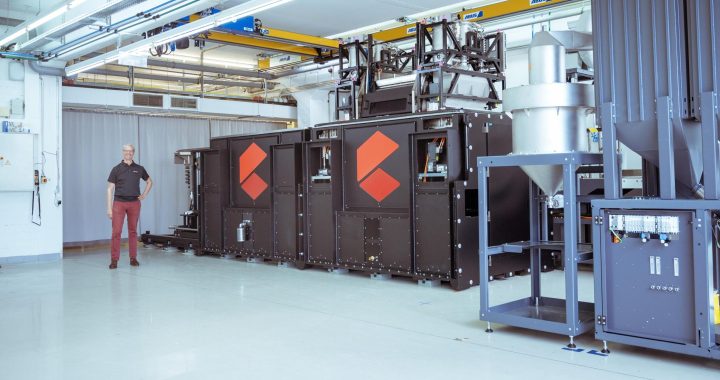
Beehive has also announced plans to expand its manufacturing infrastructure, including investments in additive manufacturing systems, precision machining and production facilities.
The company has stated that its longer-term production plans target capacity exceeding 8,000 engines annually. This is a planned manufacturing capacity, not a statement of current production output.
The Engineering Requirements Behind Additively Manufactured Engines
The development of a small turbojet engine involves several tightly connected engineering disciplines.
Aerodynamic design determines the performance of rotating and stationary flow components. Thermal analysis evaluates temperature distribution and heat transfer. Structural analysis examines stresses, vibration and fatigue.
Manufacturing engineering must then ensure that the selected materials and production processes can consistently deliver the required geometry and properties.
Additive manufacturing can support this process, but it must be integrated with conventional precision machining, inspection and qualification.
A Broader Shift in Aerospace Production
The Frenzy 6 milestone illustrates how additive manufacturing is becoming part of a wider aerospace propulsion development strategy.
The technology’s value is not simply the ability to print complex metal shapes. Its greater potential lies in connecting design freedom, rapid prototyping, simulation and scalable manufacturing.
As testing progresses, the key engineering question will be whether the programme can translate prototype performance into repeatable, qualified production.
Source: Beehive Industries, Frenzy 6 prototype engine test announcement, October 2026.