The development of advanced rocket propulsion systems places demanding requirements on component geometry, thermal performance and manufacturing precision. Additive manufacturing offers aerospace engineers new ways to produce complex internal channels and integrated structures that can be difficult to manufacture using conventional processes.
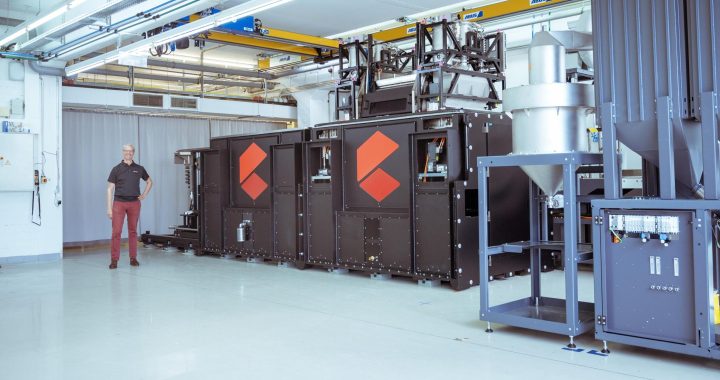
EOS has announced a collaboration with Brazilian aerospace startup BIZU Space to strengthen additive manufacturing expertise for future space propulsion applications.
Supporting Design for Additive Manufacturing
The collaboration combines EOS’s industrial additive manufacturing experience with BIZU Space’s propulsion development activities. Through the EOS Additive Minds Academy and engineering support, BIZU Space engineers will receive training and technical assistance focused on Design for Additive Manufacturing (DfAM).
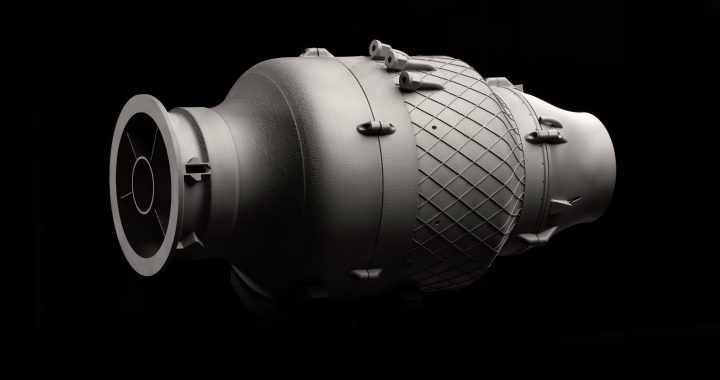
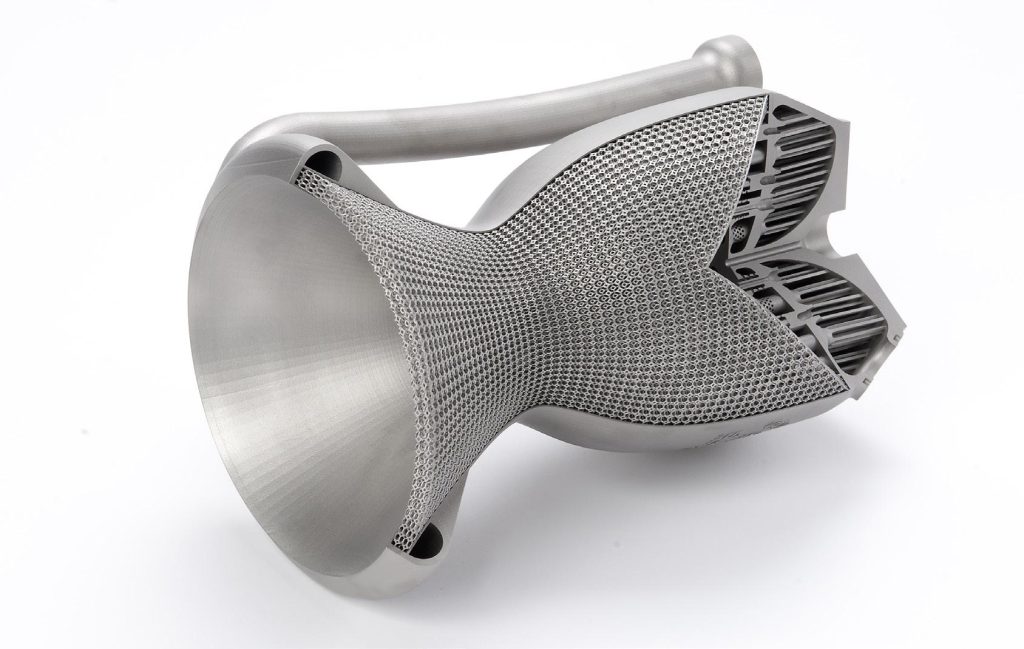
The objective is to help the team evaluate how metal 3D printing can support the development of advanced rocket engine components, including combustion chambers and closed-cycle turbopump technologies.
Why Additive Manufacturing Matters in Rocket Engineering
Rocket propulsion systems contain components that must manage high temperatures, pressure loads and complex fluid flows. Traditional manufacturing may require multiple parts, joining operations and extensive machining.
Metal additive manufacturing can enable more integrated geometries and internal features, potentially reducing assembly complexity and supporting design optimization. However, printed propulsion components still require rigorous inspection, material qualification and hot-fire testing.
BIZU Space is involved in the development of a privately developed Brazilian orbital launch vehicle program intended to support small satellite missions.
Building Local Aerospace Capability
The partnership also highlights the role of engineering education and local technical expertise in developing national space industries.
Rather than announcing a completed flight-qualified propulsion system, EOS and BIZU Space are strengthening the engineering knowledge and manufacturing capabilities needed for future applications.
The collaboration demonstrates how additive manufacturing suppliers and emerging aerospace companies are working together to develop more flexible propulsion design and production workflows.