Cracks in steel structures can significantly reduce load-carrying capacity and create serious durability concerns. Traditional repair methods may involve welding, reinforcement plates or component replacement. However, repair geometry and local stress concentration can strongly influence the final structural performance.
A recent experimental study investigates whether topology-optimised, additively manufactured repairs can restore the tensile strength of cracked steel plates.
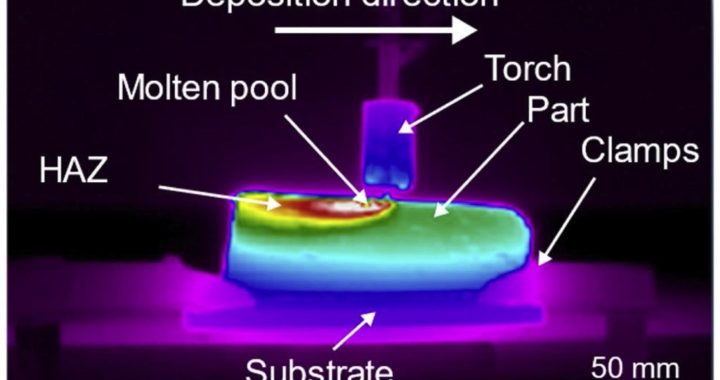
The researchers examined edge-cracked Q235 and Q355 steel plates strengthened using double-sided wire laser additive manufacturing (WLAM) repairs.
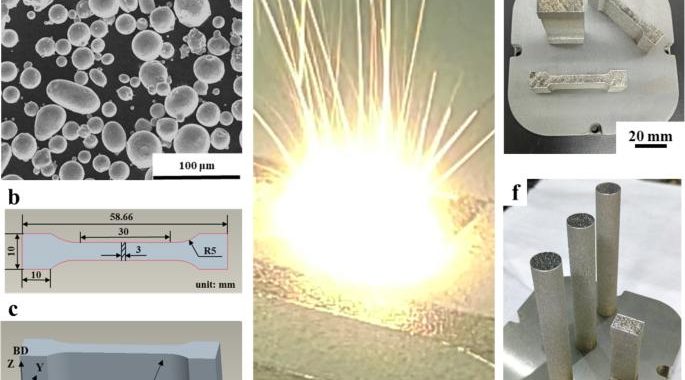
The experimental programme included 20 specimens: intact plates, unrepaired cracked plates and plates strengthened with additive repairs. Tensile testing, three-dimensional optical scanning and Digital Image Correlation were used to evaluate geometry, deformation and failure behaviour.
Three different failure mechanisms were identified: crack-to-heat-affected-zone failure, interface failure and failure within the original steel substrate.
One of the most important findings was that repair volume strongly influenced mechanical recovery. When sufficient repair material was deposited using the optimised geometry, the repaired plates recovered their full original static tensile load-carrying capacity.
Double-sided repairs also demonstrated higher repair efficiency than the corresponding single-sided configurations.
Engineering significance
This work demonstrates the potential of metal additive manufacturing as a structural repair method rather than only a component production technology.
For industrial maintenance, the ability to restore damaged components without replacing entire structures could reduce material consumption and downtime.
However, static tensile recovery does not automatically establish fatigue life, fracture resistance or long-term service reliability. These aspects require additional qualification before the method can be used in safety-critical structures.